8 Hidangan khas Cina Pada Perayaan Imlek
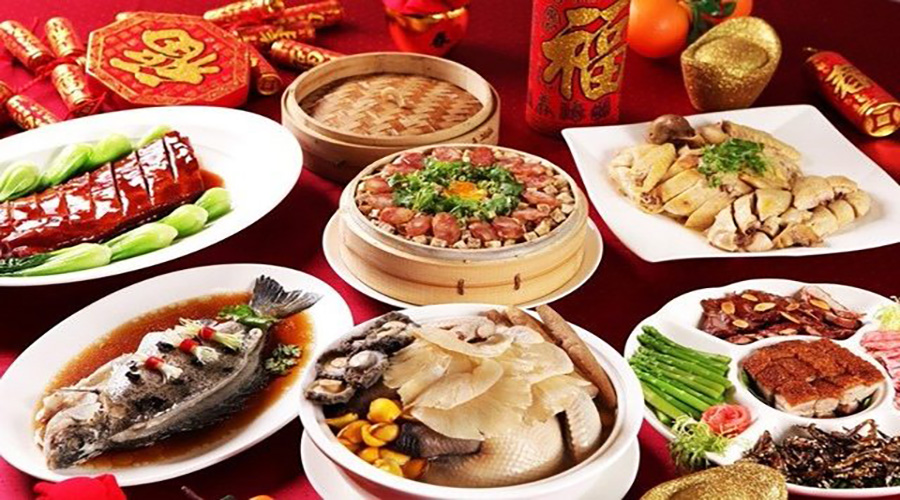
Nowherebeat – Perayaan Tahun Baru Cina yang ada di Negara Indonesia lebih dikenal dengan Imlek. Perayaan ini memiliki tradisi yang menarik, salah satu yang paling populer di antaranya adalah hidangan khas Cina. Pada acara Tahun Baru Imlek ini, semua keluarga besar berkumpul di rumah dan merayakan bersama sambil berdoa dan menikmati hidangan khusus. Menurut kepercayaan dan tradisi orang-orang Tionghoa pada saat perayaan, harus ada hidangan khas masakan Cina termasuk berbagai elemen. Seperti makanan hewan yang bisa berenang, hewan darat dengan dua kaki dan empat kaki. Makanan yang disajikan juga memiliki filosofi yang menarik, sehingga mereka percaya bahwa makanan harus disajikan selama perayaan Tahun Baru Imlek. Ada beberapa hidangan khas Cina dengan artinya yang harus disajikan selama perayaan Tahun Baru Imlek.
Hidangan khas Cina dengan filosofi
- Yusheng atau Yee Sang
Hidangan khusus yang unik ini juga harus hadir di perayaan Tahun Baru. Yusheng adalah hidangan dalam bentuk salad ikan segar yang dicampur dengan berbagai sayuran seperti lobak dan irisan wortel. Ikan yang digunakan biasanya daging tuna yang dibumbui dengan minyak goreng, minyak wijen dan lada. Filosofi Yusheng menurut masyarakat Cina adalah simbol kekeluargaan dan keramahan, karena bagian dari hidangan ini dapat dimakan bersama. Tidak hanya itu, Yusheng menurut karakter Cina berarti peningkatan dan kelimpahan materi bagus atau peluang lainnya.
- Kue Dalam Keranjang
Selama perayaan Tahun Baru Cina, salah satu kue dalam keranjang ini adalah hidangan yang harus dimiliki. Dalam bahasa Kanton, kue ini biasanya disebut Nian Gao, kue yang terbuat dari campuran ketan dan gula. Bahkan, keranjang kue juga dijual tidak hanya selama perayaan Tahun Baru Cina, tetapi penawaran ini lebih tersedia di acara Tahun Baru Cina. Filosofi dari keranjang kue itu sendiri adalah pembawa keberuntungan. Menurut kepercayaan Cina, makan kue dalam keranjang sebelum makan makanan lain ketika Tahun Baru Cina akan memiliki kehidupan yang manis dan bahagia sepanjang tahun. Selain itu, filosofi lain adalah meningkatkan kesejahteraan dan rezeki sepanjang tahun.
- Mie Panjang Umur
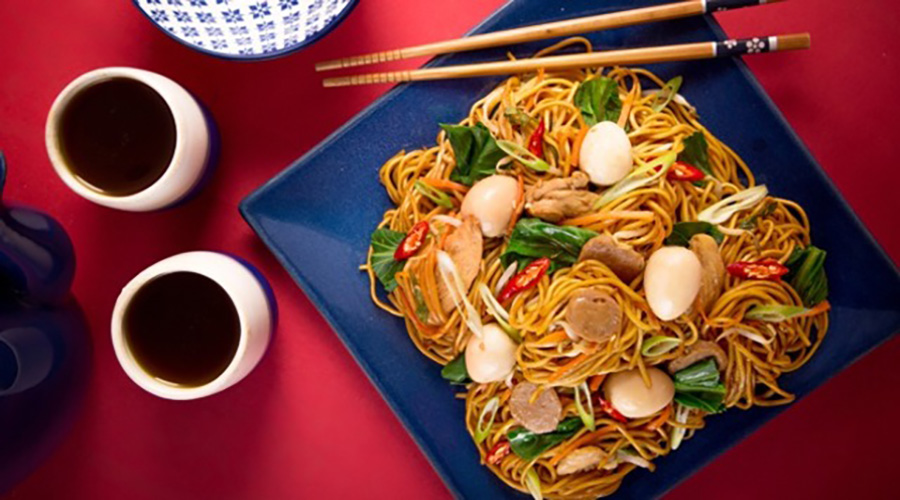
Siapa yang tidak tahu dan belum pernah makan hidangan ini. Mie adalah makanan yang konon dibawa masuk dan diperkenalkan dari Cina dan sangat mudah ditemukan. Menurut kepercayaan Cina, Mie memiliki umur panjang. Tidak hanya makanan khas Cina ini, makanan ini juga seharusnya menjadi simbol rezeki dan kebahagiaan yang tidak rusak. Pada perayaan Tahun Baru Imlek, mie disajikan. mereka tidak boleh dipotong dari awal sampai akhir, dan ketika mereka dimakan, mereka tidak harus dipotong. Diyakini bahwa orang yang makan mie memiliki umur panjang
- Bandeng
Ikan bandeng adalah makanan wajib yang tersedia selama perayaan Tahun Baru Imlek. Kepercayaan pada masyarakat Cina, ikan adalah simbol keberuntungan yang tak terduga. Tidak hanya ikan ini juga berarti rezeki dalam kehidupan orang Cina. Secara umum, bandeng disajikan dengan uap. Jika Anda ingin mendapatkan keberuntungan yang tidak terduga, Anda harus menikmati hidangan ikan bandeng ini selama Tahun Baru Imlek.
- Jeruk
Jeruk adalah buah yang banyak dijual dan mudah ditemukan. Buah jeruk ini telah terbukti menjadi salah satu hidangan khas Cina yang wajib ada. Filosofi jeruk menurut kepercayaan orang-orang Cina adalah pembawa kemakmuran dan kekayaan. Warna Jeruk seperti oranye seperti emas dianggap sebagai bentuk bundar yang dimaksudkan untuk membawa keberuntungan. Banyak jenis jeruk dapat digunakan sebagai bagian, seperti lemon, mandarin, dan berbagai jenis jeruk lainnya. Hidangan Jeruk utama adalah Jeruk yang memiliki warna cerah dan terlihat seperti emas.
- Ayam atau Bebek
Dalam perayaan Tahun Baru Imlek atau bebek adalah salah satu hidangan yang harus menghiasi meja. Ayam atau bebek dimasak dan disajikan utuh tanpa dipotong. Mengapa disajikan secara keseluruhan? Karena menurut kepercayaan Cina, ini adalah bentuk harapan untuk integritas dan kebahagiaan keluarga. Bukan hanya ayam atau bebek adalah simbol udara yang berarti kepatuhan dan kesetiaan. Tradisi Cina mengatakan bahwa ayam dan bebek seperti memiliki sifat serakah, jadi makan daging ayam atau bebek akan menghindari menjadi serakah dan serakah.
- Babi
Hidangan daging babi juga harus hadir selama perayaan Tahun Baru Imlek untuk dinikmati oleh keluarga besar. Bahkan, hidangan ini memiliki makna khusus mengapa disajikan selama perayaan Tahun Baru Cina. Babi dikenal sebagai hewan malas. Mereka percaya bahwa makan daging babi selama Tahun Baru Imlek akan menyelamatkan mereka dari malas seperti babi.
- Teh telur
Hidangan lain yang masih ada selama Tahun Baru Cina adalah telur rebus atau teh telur dengan kecap dan teh. Rasa hidangan ini unik, ada rasa manis dan gurih. Teh telur melambangkan kesuburan menurut kepercayaan orang Cina, sehingga orang yang memakannya akan mendapat manfaat dari bantuan sosial di tahun baru.

 Now Here Beat